Emergency Dentist Bakersfield CA for School and Playground Dental Injuries
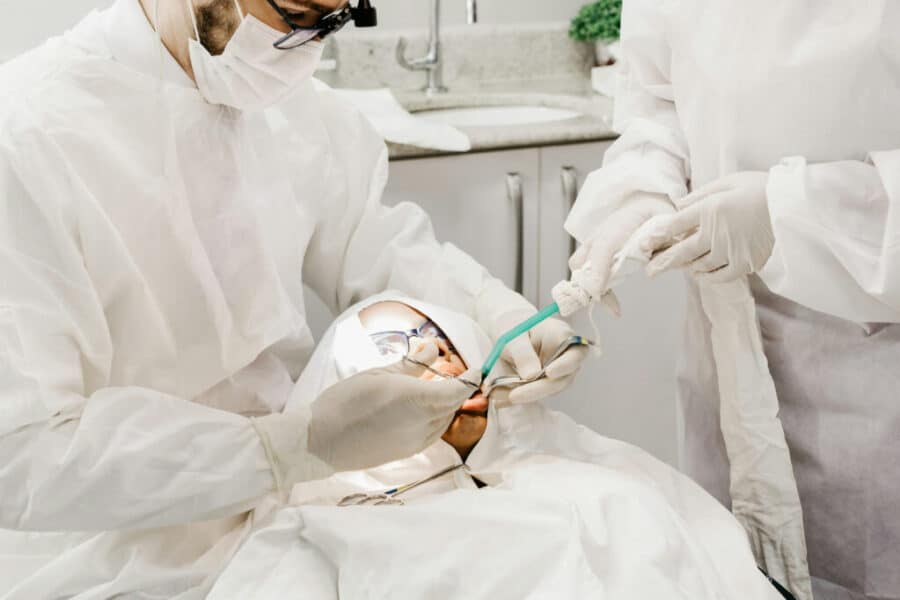
A chipped front tooth after recess can turn an ordinary school day into a frantic one. So can a collision on the basketball court, a fall from monkey bars, or an elbow during a weekend soccer game. Dental injuries in children rarely happen on a schedule, and they almost never happen when a parent is standing close by. By the time the school nurse calls, the child may be crying, bleeding, embarrassed, and in pain, while the parent is trying to decide whether the problem can wait for a routine dental visit or needs immediate attention.
That is where an Emergency Dentist Bakersfield CA becomes important. Dental trauma is one of those situations where the first hour matters. Not every chipped tooth is an emergency, but some injuries have a narrow window for saving a tooth, protecting the nerve, or preventing a small fracture from becoming a far more complex repair. Parents, teachers, coaches, and school staff do not need to become dental experts, but they do need to know what to look for and what to do next.
In a city like Bakersfield, where kids are active year-round and school sports, PE classes, parks, and neighborhood playgrounds are part of daily life, these calls are common. The good news is that many dental injuries can be managed well when the response is calm, quick, and informed.
Why school and playground injuries are different from ordinary tooth pain
A cavity that starts to ache usually builds over days or weeks. A playground injury is sudden. There may be blood, a visibly broken tooth, swelling, or panic from the child and the adults around them. Decisions often happen in the school office, in a car line, or from the sidelines of a game. That pace changes everything.
Traumatic injuries also tend to be messy in a clinical sense. A child may have damage to the tooth, the gum, the lip, and the bone around the tooth all at once. The tooth may look intact and still be loose internally. Or the fracture may seem dramatic even though the nerve is not exposed and the long-term outlook is good. That gap between appearance and actual severity is one reason quick professional evaluation matters.
Age also affects what comes next. A blow to a baby tooth is handled differently than a blow to an adult tooth. Younger children may not describe symptoms clearly. Teenagers, on the other hand, sometimes downplay pain because they do not want to miss practice or feel self-conscious about their appearance. Clinical judgment matters, especially when the injury falls into the gray area between “watch it” and “come in now.”
The injuries dentists see most often after school accidents
The most common playground https://privatebin.net/?b0d482d29e4d8562#EJkWV5sFK77UT2krRYg7rRwqHthVd7EaKPB3KFxNGj7Z and school-related dental injuries tend to cluster around the front teeth. That makes sense. When a child falls forward, the incisors usually take the hit first. A child might chip an edge, crack a larger section, or loosen a tooth enough that it shifts position. Sometimes the tooth is pushed inward or outward. In more serious cases, it is knocked out completely.
Soft tissue injuries travel with dental trauma more often than parents expect. A cut lip may hide a tooth fragment. A swollen gum may suggest injury to the root or supporting bone. If a child says, “My bite feels weird,” that should not be dismissed. A changed bite can mean a tooth moved, the jaw absorbed the impact, or there is a fracture that is not obvious to the eye.
One pattern that surprises families is delayed pain. Right after the accident, adrenaline may mask symptoms. A child who says they are “fine” on the playground may be miserable by dinner. Sensitivity to cold, throbbing, color change, or increasing looseness over the next several hours can all point to damage that needs timely care.
When a dental injury needs same-day attention
Not every sports or playground mishap calls for a rush across town, but some absolutely do. A true emergency is not just about pain. It is about preserving tissue, controlling bleeding, and reducing the chance of permanent damage.
The following situations justify calling an emergency dental office right away:
- A permanent tooth has been knocked out.
- A tooth is broken enough to show a pink or red center, or the child has severe pain with the fracture.
- A tooth has shifted position, feels very loose, or the child cannot bite normally.
- Bleeding from the mouth does not stop after steady pressure, or there is significant swelling.
- The injury involves possible jaw trauma, fainting, vomiting, or concern for a head injury, in which case emergency medical care may be needed first.
That last point matters. A dentist handles teeth and oral structures, but head injury symptoms take priority. If the child was briefly unconscious, seems confused, has a worsening headache, or is vomiting, start with medical evaluation or the emergency room. Dental treatment can follow once the child is medically stable.
What to do in the first 15 minutes
The first response at school, on the field, or at the park often shapes the outcome. Calm adults help children regulate quickly, which makes everything easier, from checking the injury to getting useful information.
Here is the practical first-aid sequence most dentists hope happened before the child arrives:
- Have the child sit upright and gently rinse the mouth with water if they are able.
- Apply clean gauze or a clean cloth to active bleeding, and use a cold compress on the outside of the face.
- If a permanent tooth has been knocked out, pick it up by the crown, not the root, and keep it moist in milk or saline. If appropriate and the child is old enough, it may be placed back in the socket right away.
- Save any broken tooth fragments, because they can occasionally be bonded back into place.
- Call a dental office that offers urgent care and describe exactly what happened, when it happened, and whether the tooth is baby or permanent.
Parents are often surprised by how often a saved fragment helps. Even when it cannot be reattached, it gives the dentist useful information about the size and pattern of the fracture.
The difference between a baby tooth and a permanent tooth emergency
This is where many well-meaning adults get tripped up. A knocked-out permanent tooth can sometimes be replanted and saved if action is fast. A knocked-out baby tooth is different. In most cases, it is not put back into the socket because of the risk of damaging the developing adult tooth underneath.
That does not mean baby tooth injuries are minor. A hard impact to a primary tooth can affect speech, eating, comfort, and the health of the permanent successor. A darkening baby tooth may later need monitoring or treatment. A tooth that is pushed into the gum can look less dramatic than a tooth on the ground, but it may need very prompt evaluation.
The practical rule is simple. If you are not completely sure whether the injured tooth is permanent, treat the event as urgent and call. Front permanent teeth often erupt around ages 6 to 8, but timing varies. A seven-year-old may have a mix of baby and adult teeth in the same part of the mouth.
Timing matters more than many people realize
The phrase “dental emergency” can sound dramatic, but it has a specific meaning in trauma cases. Time affects prognosis. A permanent tooth that is completely avulsed, meaning knocked out, has the best chance if it is replanted quickly. The periodontal ligament cells on the root surface start to suffer when the tooth dries out. That is why storing it properly matters so much.
Timing also matters with tooth displacement. A tooth that is pushed out of position may be easier to stabilize if treated earlier. Exposed nerve tissue is another time-sensitive issue. The longer it sits uncovered, the more pain and contamination the child may experience, and the treatment may become more invasive.
Even a simple enamel-dentin chip deserves attention within a reasonable window. Children often develop temperature sensitivity after the excitement fades, and a sharp fractured edge can cut the lip or tongue. Same-day or next-day care is usually appropriate depending on the symptoms and the size of the break.
What an emergency dental visit usually involves
Families often picture a chaotic rush, but most pediatric trauma visits are methodical. The first goals are straightforward: control discomfort, determine what structures are injured, and stabilize the area.
A dentist will usually ask how the accident happened, exactly when it happened, whether the child hit their head, whether the tooth was recovered, and whether the tooth is primary or permanent. Examination often includes checking the lips, gums, bite, tooth mobility, and tenderness to touch. Dental X-rays are commonly needed because root fractures and bone injuries can hide below the gumline.
Treatment depends on the injury. A minor chip may be smoothed or bonded. A loose tooth may be observed or splinted to neighboring teeth for support. A displaced tooth may need repositioning. A deeper fracture may need protective covering, pulp treatment, or later root canal care, depending on the tooth’s development and the extent of the trauma.
Some children do very well with reassurance and local anesthesia alone. Others, especially younger children who are frightened or bleeding, may need a slower pace and a dentist experienced in trauma behavior management. This is one reason families often search specifically for an Emergency Dentist Bakersfield CA rather than waiting for the next routine opening.
The school nurse call every parent dreads
There is a certain tone in a school nurse’s voice when the injury involves a face-first fall. Usually the report is incomplete at first, because the child is upset and the staff is trying to assess several things at once. It may sound like, “He chipped a tooth and there is some bleeding,” which can mean anything from a tiny corner fracture to a significant luxation injury.
What helps in that moment is asking a few precise questions. Is the tooth still in the mouth? Is it baby or permanent if they know? Is there continued bleeding? Is the tooth whole, cracked, or missing? Did the child hit their head? Can they close their teeth together normally? Those details can guide whether you drive straight to the dental office, stop to pick up milk for a knocked-out tooth, or divert to urgent medical care.
Experienced parents learn something else too. Children take emotional cues from the adults around them. A calm, matter-of-fact response usually reduces distress. “We’re going to get your tooth checked right away” lands better than visible panic.
Why playground surfaces and sports habits matter
Not all injuries happen because a child was reckless. Sometimes the environment creates the problem. Uneven running surfaces, crowded play structures, metal equipment, and unsupervised rough play all raise the odds. The same is true in sports without mouthguards, especially basketball, baseball, skateboarding, scooters, and contact drills.
Mouthguards work, but only if they are worn consistently and fit well enough that the child does not keep spitting them out. The best custom guards tend to be more comfortable and protective than generic boil-and-bite versions, though even an over-the-counter guard is better than none in many situations.
There is also a seasonal rhythm to these injuries. The start of school sports, spring leagues, and long summer evenings at parks often bring a noticeable spike in trauma calls. That pattern is not unique to Bakersfield, but local families who spend a lot of time outdoors tend to know how quickly a routine afternoon can change.
Hidden complications after the obvious damage is treated
A dental injury is not always “fixed” after the first visit. Some teeth look stable at first and develop nerve symptoms later. A tooth may change color weeks after trauma. The root may continue to heal normally, or it may show signs of internal damage that only reveal themselves with time and follow-up X-rays.
That delayed uncertainty can be frustrating for parents. They want a yes-or-no answer, especially if the child is back at school and no longer complaining. Dentists often have to explain that trauma follow-up is part of the treatment, not an optional add-on. Depending on the age of the child and the type of injury, the office may want to recheck the tooth over several months or longer.
This is particularly true for teeth that were loose, displaced, or fractured near the nerve. Children’s teeth have different healing potential depending on root development. A younger permanent tooth sometimes has more capacity for recovery than parents realize, but it also needs careful monitoring so that a developing problem is not missed.
What parents can keep ready before an accident happens
Preparedness sounds unnecessary until the day it saves time. Families with active kids do well to store the contact information for a trusted Emergency Dentist Bakersfield CA in their phones, along with basic first-aid supplies at home and in the car. A small container, gauze, and saline are not glamorous items, but they are useful when a tooth fragment or avulsed tooth needs to stay protected during transport.
It also helps to know your child’s dental stage. If your six- or seven-year-old has newly erupted front teeth, that changes how you respond to an accident. The difference between a baby tooth and a permanent tooth is not a detail in trauma care. It is central to decision-making.
Schools and youth sports programs benefit from this awareness too. Coaches and front-office staff are not expected to deliver dental treatment, but a little training goes a long way. Knowing not to scrub the root of a knocked-out tooth, not to let it dry on a paper towel, and not to tell a parent to “just watch it” when a tooth has shifted can preserve much better outcomes.
Choosing the right urgent dental care in Bakersfield
When families search online after an accident, they are usually stressed and short on time. They may type “Emergency Dentist Bakersfield CA” and call the first office that appears. That can work, but it is still worth listening for a few things during the call.
You want an office that asks informed questions about the mechanism of injury, timing, bleeding, and whether the tooth is permanent or primary. You want clear guidance on what to do while traveling to the office. You want honesty about whether the child should go to medical urgent care or the ER first because of possible head or jaw injury. And you want a team that understands pediatric trauma is as much about calming the child as treating the tooth.
Not every office handles trauma with the same urgency or confidence. Some are excellent with routine restorative care but less equipped for same-day injury management. Families usually sense the difference quickly. A capable trauma-oriented office sounds focused, specific, and prepared.
Aftercare at home is part of the result
Once the emergency visit is over, home care starts doing quiet but important work. A soft diet is often recommended for a few days or longer depending on the injury. Good oral hygiene still matters, even if brushing near the area is uncomfortable. Sometimes an antimicrobial rinse is suggested, especially in older children. Pain management may include age-appropriate over-the-counter medication if the dentist advises it.
Parents should also watch for the less obvious red flags after they get home. Worsening swelling, fever, increased looseness, a pimple-like bump on the gum, or a child who starts avoiding biting on the area can signal a developing problem. So can a tooth that darkens or becomes newly sensitive.
Children often return to normal behavior faster than the tooth returns to normal function. That is good for morale, but it can tempt them to test the area with crunchy snacks or rough play before healing has had a chance to settle. A little supervision during those first several days can prevent a second setback.
The broader point for families and schools
Dental injuries are common enough that every school, coach, and parent should treat them as predictable events rather than rare crises. Most are manageable. Many heal well. Some are genuinely urgent and benefit enormously from fast, correct action. Knowing the difference is the skill that matters.
A child who chips a tooth on the slide may need only smoothing and bonding. Another child with a seemingly similar fall may have a displaced tooth, a root injury, or a lip laceration hiding a tooth fragment. The surface story is not always the full story. That is why prompt assessment by a qualified dentist is the safest path.
For Bakersfield families, the practical takeaway is straightforward. If a tooth is knocked out, moved, deeply broken, or attached to significant bleeding or swelling, call an Emergency Dentist Bakersfield CA without delay. If there is any sign of concussion or serious facial injury, seek medical care first. The faster those first decisions are made, the better the odds of protecting the child’s smile, comfort, and long-term dental health.
Smyle Dental Bakersfield
2016 E St, Bakersfield, CA 93301, United States
+16614939040
FAQ About Emergency Dentist Bakersfield CA
What counts as a dental emergency?
Severe tooth pain, facial swelling, uncontrolled bleeding, a knocked-out or displaced tooth, and significant dental trauma may need prompt assessment. Trouble breathing or rapidly increasing swelling requires urgent medical help.
What should I do if a permanent tooth is knocked out?
Handle the tooth by the crown rather than the root, keep it moist, and contact a dentist immediately. Fast treatment can improve the chance of saving the tooth.
Can an emergency dentist treat severe tooth pain the same day?
Same-day care may be available depending on the cause and schedule. The dentist will examine the area, may take digital X-rays, and recommend treatment based on the diagnosis.
Should I go to the emergency room for dental swelling?
Seek urgent medical care for trouble breathing, difficulty swallowing, rapidly spreading facial swelling, or other severe symptoms. A dentist can assess the underlying dental cause and provide appropriate follow-up care.